
Category Archives: Uncategorized

Categories Uncategorized

Understanding Strokes: Causes, Symptoms, and Steps to Recovery

Understanding Strokes: Causes, Symptoms, and Steps to Recovery

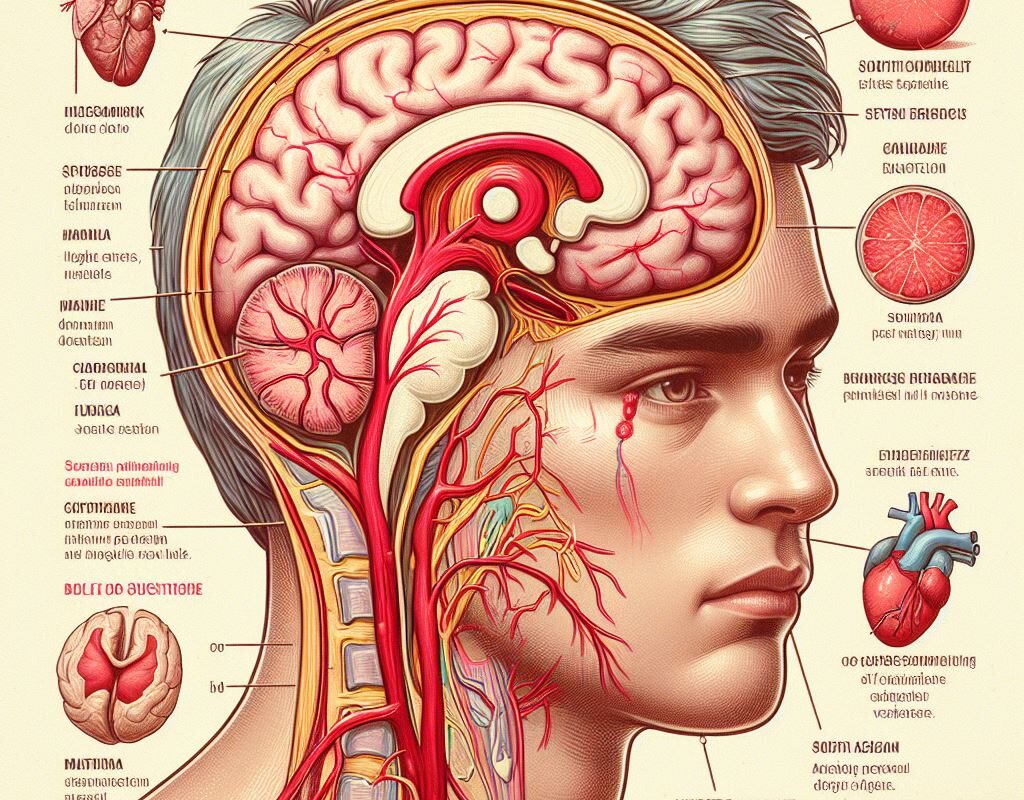
Strokes, often referred to as “brain attacks,” are a leading cause of disability and death worldwide. They occur when blood flow to the brain is interrupted, depriving brain cells of oxygen and nutrients, leading to cell death and potential damage to brain function. Understanding strokes is crucial for early recognition, prompt treatment, and maximizing the chances of recovery.

What Causes Strokes?

There are two main types of strokes:

  • Ischemic strokes: Caused by a blocked blood vessel, accounting for about 85% of all strokes. Blockages can be caused by blood clots, fatty deposits (atherosclerosis), or small embolisms from other parts of the body.
  • Hemorrhagic strokes: Caused by a burst blood vessel, accounting for about 15% of strokes. Risk factors include high blood pressure, weakened blood vessel walls (aneurysms), and trauma.

Recognizing the Signs of Stroke:

Time is critical in stroke treatment. Recognizing the symptoms and acting quickly can significantly improve outcomes. The acronym FAST serves as a reminder of the key warning signs:

  • F – Face Drooping: Does one side of the face droop or feel numb? Ask the person to smile.
  • A – Arm Weakness: Is one arm weak or numb? Ask the person to raise both arms and see if one drifts downward.
  • S – Speech Difficulty: Is speech slurred or difficult to understand? Ask the person to repeat a simple phrase.
  • T – Time to Call Emergency Services: If you experience any of these symptoms, call emergency services immediately.

Treatment and Recovery:

Rapid medical intervention is essential for stroke treatment. Depending on the type of stroke, treatment may involve medications to dissolve blood clots, surgery to remove the clot or repair a burst blood vessel, and rehabilitation to regain lost function.

Recovery from a stroke can be a long and challenging process. Rehabilitation typically involves physical, occupational, and speech therapy to help individuals regain independence and improve their quality of life.

Preventing Strokes:

Fortunately, many lifestyle changes can significantly reduce your risk of stroke. These include:

  • Maintaining a healthy weight: Excess weight increases blood pressure and cholesterol, major risk factors for stroke.
  • Following a healthy diet: Consume plenty of fruits, vegetables, and whole grains while limiting processed foods, saturated and trans fats, and added sugar.
  • Exercising regularly: Aim for at least 30 minutes of moderate-intensity exercise most days of the week.
  • Managing chronic conditions: Control high blood pressure, diabetes, and high cholesterol effectively through medication and lifestyle changes.
  • Quitting smoking: Smoking significantly increases the risk of stroke.
  • Limiting alcohol intake: Excessive alcohol consumption can elevate blood pressure and increase stroke risk.

Empowering Yourself with Knowledge:

Strokes are a serious medical condition, but with awareness, prevention strategies, and prompt treatment, the impact can be minimized. By understanding the causes, symptoms, and risk factors, you can empower yourself and your loved ones to make informed choices and live healthier lives.

Categories Uncategorized

Battling Long COVID: How Clinical Trials Offer Hope for Millions

Battling Long COVID: How Clinical Trials Offer Hope for Millions

Long COVID, also known as post-COVID conditions, affects millions of individuals worldwide. Characterized by a wide range of lingering symptoms after the initial SARS-CoV-2 infection, it presents a significant medical challenge. But amidst the uncertainties, there’s a beacon of hope: clinical trials are actively seeking solutions.

Understanding the Long Shadow of COVID:

Long COVID’s diverse symptoms, including fatigue, brain fog, shortness of breath, and pain, can significantly impact daily life. The underlying causes, however, remain complex, hindering the development of specific treatments. Despite these challenges, researchers are diligently unraveling the mysteries through various clinical trials.

On the Frontlines: The RECOVER Initiative and Beyond:

The National Institutes of Health (NIH) launched the RECOVER Initiative, a large-scale effort to understand and combat Long COVID. This initiative includes several ongoing clinical trials evaluating various interventions:

  • RECOVER-VITAL tests if extending the existing antiviral drug Paxlovid can combat persistent virus reservoirs, potentially alleviating symptoms.
  • RECOVER-NEURO investigates the effectiveness of brain-training and stimulation techniques in addressing cognitive issues like brain fog and memory problems.
  • Additional trials explore medications, rehabilitation therapies, and other approaches targeting specific symptoms.

Beyond RECOVER, numerous independent trials are underway, exploring:

  • Immunomodulatory therapies: Regulating the immune system’s response to potentially reduce inflammation and tissue damage.
  • Anti-inflammatory drugs: Aiming to dampen the body’s inflammatory response associated with Long COVID symptoms.
  • Post-exertional malaise (PEM) management: Investigating therapies to address the debilitating fatigue experienced by many Long COVID sufferers.

The Road Ahead: Challenges and Hope:

While clinical trials offer tremendous promise, navigating the path to effective treatments requires overcoming certain hurdles:

  • Heterogeneity of Long COVID: The vast diversity of symptoms makes designing universal therapies challenging.
  • Trial design complexities: Accurately measuring subjective symptoms and establishing clear endpoints add complexity to trial design.
  • Funding and collaboration: Sustaining research efforts requires continued funding, and international collaboration is crucial for faster progress.

Despite the challenges, the ongoing clinical trials represent a significant step forward in the fight against Long COVID. The dedication of researchers, coupled with the participation of individuals in these trials, fuels hope for millions seeking answers and relief.

Categories Uncategorized

Building Bridges, Not Barriers: How to Increase Public Trust in Clinical Trials

Building Bridges, Not Barriers: How to Increase Public Trust in Clinical Trials

Clinical trials are the linchpins of medical progress, paving the way for life-saving treatments and improved healthcare. Yet, public trust in these studies often falls short, creating barriers to participation and hindering advancements. Rebuilding trust is crucial, not just for scientific progress, but for the health and well-being of future generations. So, how can we bridge the gap and foster a culture of trust and collaboration?

Transparency is Key:

  • Open the kimono: Publicly share clear, understandable information about clinical trials, including their purpose, risks, and benefits. Avoid technical jargon and opt for plain language explanations.
  • Spotlight diversity: Showcase the inclusion of diverse populations in trials, addressing historical concerns about underrepresentation. Share demographic data and actively recruit from communities often excluded.
  • Embrace the spotlight: Regularly update the public on trial progress, both positive and negative. Address setbacks honestly and proactively, demonstrating accountability and a commitment to learning.

Building Partnerships:

  • Empower, don’t exploit: Treat participants as partners, not subjects. Actively solicit their feedback throughout the trial and involve them in decision-making processes.
  • Community matters: Partner with community leaders, patient advocacy groups, and cultural organizations to build trust and address specific concerns within diverse communities.
  • Go beyond borders: Foster international collaboration and data sharing, ensuring global inclusivity and transparency in clinical research.

Shattering Misconceptions:

  • Combat misinformation: Proactively address common myths and concerns surrounding clinical trials through educational campaigns and open dialogue. Leverage trusted platforms and influencers to reach various demographics.
  • Highlight success stories: Showcase the positive outcomes of past trials and the real-life impact they have had on patients’ lives. Celebrate the heroes who participated and contributed to advancements.
  • Embrace independent oversight: Advocate for strong, independent oversight bodies to ensure ethical conduct and data integrity, reassuring the public of the trials’ rigor and fairness.

Building trust in clinical trials is an ongoing process, requiring sustained effort and commitment from all stakeholders. By prioritizing transparency, fostering partnerships, and actively addressing concerns, we can create a climate of trust that empowers public participation and accelerates medical progress for the benefit of all.

Categories Uncategorized

Diabetes: A Global Challenge

Diabetes: A Global Challenge

Diabetes is a chronic disease that affects millions of people worldwide. It is characterized by high blood sugar levels, which can lead to serious health complications such as heart disease, stroke, blindness, and kidney failure.

According to the International Diabetes Federation (IDF), there were an estimated 463 million adults (20-79 years old) living with diabetes in 2019. This number is expected to rise to 629 million by 2045.

The Global Burden of Diabetes

The burden of diabetes is not evenly distributed around the world. Low- and middle-income countries (LMICs) are disproportionately affected by the disease. In 2019, approximately 79% of all adults with diabetes lived in LMICs.

There are a number of factors that contribute to the high burden of diabetes in LMICs, including:

  • Rapid urbanization and lifestyle changes
  • Poor access to healthcare services
  • Limited availability of healthy foods and medications

The Role of Clinical Trials in the Fight Against Diabetes

Clinical trials are essential for developing new and better treatments for diabetes. These trials involve testing new drugs, devices, and treatments in people with diabetes to see if they are safe and effective.

Clinical trials have played a crucial role in the development of many of the effective diabetes treatments that are available today. For example, clinical trials led to the development of insulin, which is now used by millions of people with diabetes to control their blood sugar levels.

Clinical trials will continue to play an important role in the fight against diabetes. There is a need for more clinical trials to be conducted in LMICs, where the burden of diabetes is the highest.

How You Can Help

If you are living with diabetes, there are a number of things you can do to help manage your condition:

  • Eat a healthy diet
  • Get regular exercise
  • Take your medications as prescribed
  • See your doctor for regular checkups

You can also help support the fight against diabetes by participating in clinical trials. Clinical trials are a safe and effective way to test new treatments for diabetes.

Conclusion

Diabetes is a global challenge, but it is not a hopeless one. Clinical trials have played an important role in the development of new and better treatments for diabetes, and they will continue to do so in the future. By participating in clinical trials, you can help make a difference in the fight against diabetes.